The first time I listened to the podcast, Talk Easy with Sam Fragoso, I felt it was something different. I discovered it (and it was a discovery) by way of writer and film director RaMell Ross. The interview was unusual, as good as flirtatious, and one could argue strongly that it might as well have been.

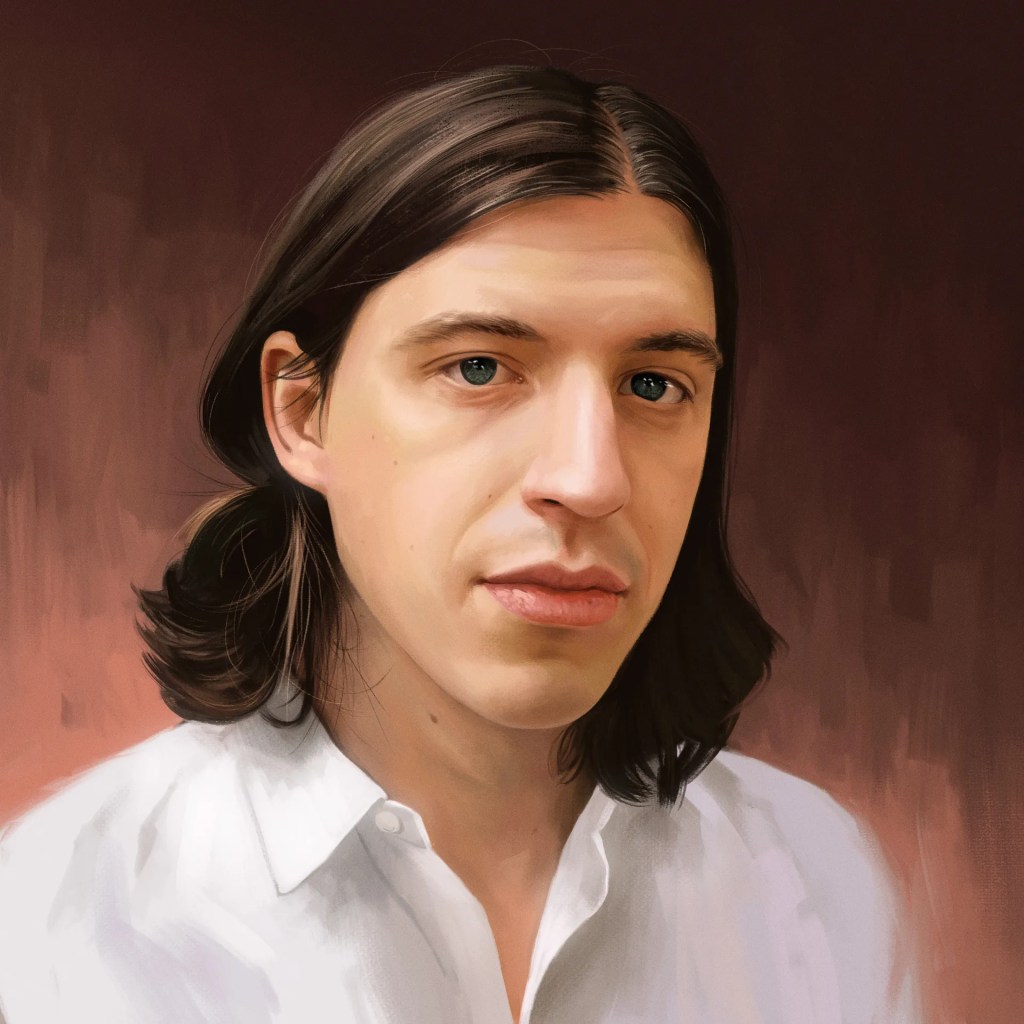
Fragoso and the podcast are bound by more than name alone. You get a sense of someone who cares about art, whether literature, music, TV, or cinema. The man himself forays into filmmaking; you can see a collection on his website—Simple Harmony,  Still Sleeping, and Sebastian. So it makes sense that he takes his interviews seriously. And it’s this seriousness, and the rarity of it within the industry, that gripped me at first listen, flirting aside. As someone who doesn’t do much small talk, the podcast is a dream. No conversation is beside the point; never flimsy, or when it is, points to something you discover a few minutes later. In a parallel universe, and if he were to embrace this comparison, he would be the birthchild of whimsical Canadian journalist Nardwuar. Not for the wavy length of their hair but their ability to excavate stories that provoke knee-jerk surprise from their interviewees. “Yeah, how did you know that?” Renowned author Zadie Smith blurted out, overcome with nostalgia, when Fragoso brought up her old Fred Astaire and MGM wall posters. “God, where did you find that? I don’t remember writing that,” she remarked a few minutes later about something else, a piece of writing from many years ago.

It should shock no one that a podcast like Talk Easy would feel like therapy. Its nomenclature is intentional. Most episodes present a sense of self-discovery, provided the guests are willing to give themselves away. And that’s the trick—a willingness for guests to let go of self. When they don’t, you can feel the resistance; it itches your ear like the painful screech of microphone feedback. For the first time, I learned that actor Ken Leung has, by design, been mispronouncing his name for the longest; a familiar case for many immigrants or children of immigrants. I learned about his dead brother, whose memory returns uninvited through many of the actor’s films, and about his parents not supporting or accepting his decision to become an actor because it’s a career that reeks of self-importance. But his intention with acting is purely for the art itself and not the fame or celebrity that comes with it. I believed him, mostly, because the format encourages you to. After all, no one lies in therapy, right?

One day, on my customary morning run, I stopped in my tracks, listening to New Yorker staff writer and critic, Vinson Cunningham’s wobble-voice. There he was in the studio, reading one of his works and crying because it was in some way an expression of grief, of losing his wife a few years ago. He apologised for his crying, and Fragoso wanted to know why. ‘Why’ is the surgeon’s scalpel; is this therapist’s blade; is Fragoso’s tender prodding.

Sam Fragoso is not just a therapist-presenting podcaster; he’s also Sam from down the road, or at least, he feels that familiar. He reminds me of the opening line of Chimamanda Adichie’s new novel, Dream Count; “I have always longed to be known, truly known, by another human being.” Fragoso hosts these discussions as if he has either known you for a while or genuinely wants to. For a guest, I imagine this is a great compliment; someone appearing to be genuinely interested in you, in your work, that they research so deeply and ask you questions that probe even further, not in a way that pries but is keen to understand. Doesn’t it help that Fragoso’s voice is as smooth as bourbon, but this art of gentle questioning is what makes Talk Easy feel…well, so easy.
EYIMOFE-AT-LARGE
“We write to taste life twice, in the moment and in retrospect.” – Anaïs Nin

 EYIMOFE-AT-LARGE